


Food Grinder
What is Food Grinder
A food grinder, also known as a meat grinder, is a kitchen appliance designed to finely chop or grind raw or cooked foods. It typically consists of a hopper where the food is placed, a grinding mechanism that crushes and pushes the food through a set of blades or plates with different sized holes, and a tray or bowl to collect the ground food.

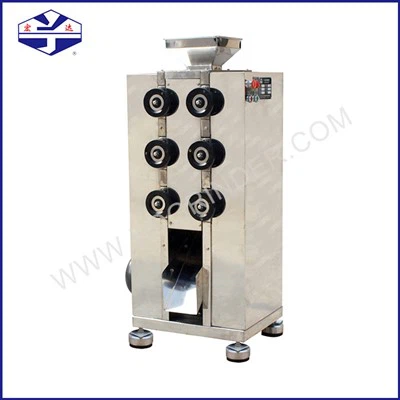
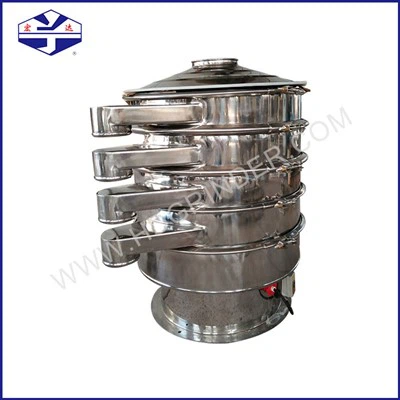

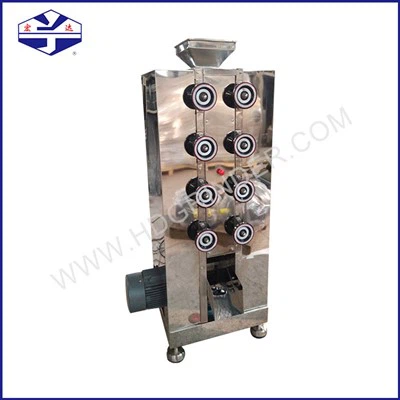
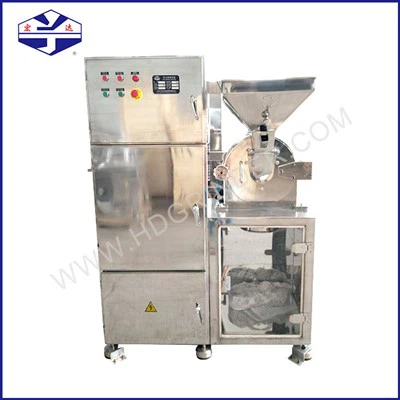
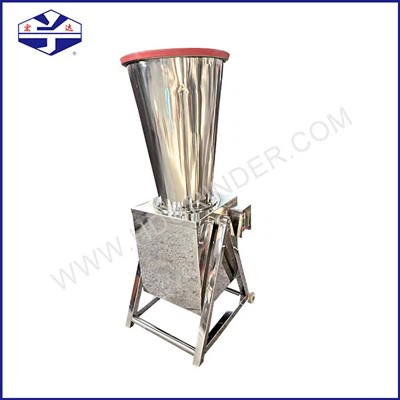
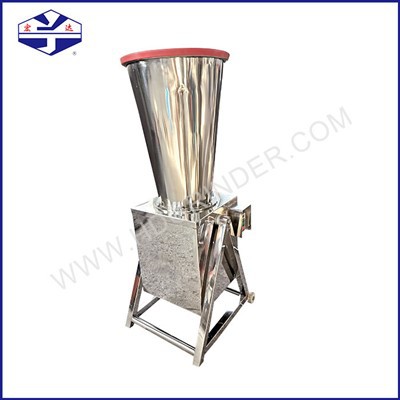
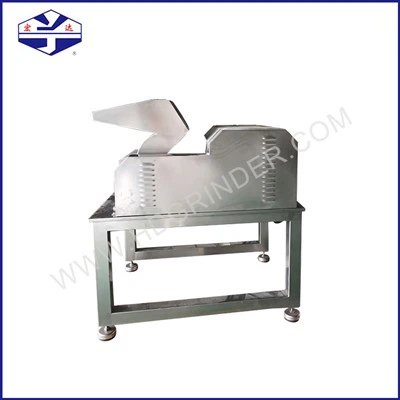
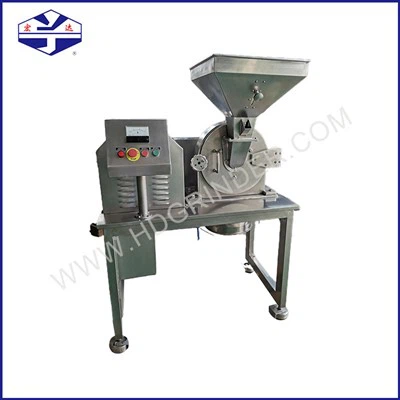
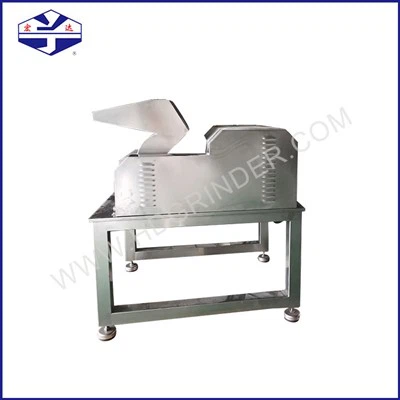
Why Choose Us
Quality
If a business consistently delivers a high-quality product or service, customers are likely to return.
Sustainability
We are committed to sustainable practices and eco-friendly operations, reducing our carbon footprint and contributing to a social cause.
Customer service
We have a dedicated customer service team that provides prompt and efficient support to customers, ensuring their satisfaction.
Innovation
Businesses that use innovative technologies or methods to improve their products or services can set themselves apart from competitors.
Competitive pricing
Our prices are reasonable and affordable compared to similar products or services on the market.
Using a food grinder comes with several advantages. Here are some of them:
Convenience and Time Savings: It saves time and effort by quickly grinding food to the desired texture or consistency, especially for tasks that would otherwise require manual chopping or mashing.
Uniform Texture: A grinder ensures a consistent texture, whether you want a fine, coarse, or medium grind. This is especially useful for recipes that require a specific texture for optimal results.
Customization: You can tailor the grinding process to your preferences, adjusting the texture to suit your taste or the requirements of a particular recipe.
Versatility: A food grinder can handle a wide range of ingredients, from hard nuts and seeds to soft fruits and vegetables, allowing you to explore different culinary creations.
Texture Control
Grinding food gives you better control over the final texture, whether you need a smooth puree, coarse crumbs, or a fine powder.
Accessibility
For those with physical limitations or difficulty handling manual cutting or grinding, a food grinder can make food preparation easier and more accessible.
Storage and Portability
Grinded food can be stored for later use, and some grinders are compact and portable, making them convenient for on-the-go or camping trips.
A food grinder is a device used to grind or crush food into smaller particles or a paste. It can be used for a variety of purposes, such as:
Making baby food: Grinding fruits, vegetables, or meats to a smooth texture for babies.
Preparing spices and herbs: Crushing dried spices or grinding fresh herbs to make blends or pastes.
Creating purees or sauces: Blending cooked fruits or vegetables to make purees or sauces.
Grinding nuts and seeds:Turning nuts, seeds, or grains into a fine texture for use in baking or as a topping.
Mincing meat or fish: Grinding meat or fish for making burgers, sausages, or pasta.
Processing coffee or nuts: Grinding coffee beans or nuts for brewing or using in recipes.The specific uses of a food grinder can depend on the type and capacity of the device. Some grinders are specifically designed for certain tasks, like coffee grinders or meat grinders. Regardless of the application, a food grinder makes it easier to handle and process food in different ways, depending on your culinary needs.

Types of Food Grinder
Food grinders can be manual or electric:
- Manual food grinders require physical effort to turn a handle or crank, pushing the food through the grinding plates. They are usually smaller, portable, and can be a more economical option.
- Electric food grinders are powered by electricity and automate the grinding process. They are faster, more efficient, and can handle larger quantities of food. Some electric models also allow for adjustments in the coarseness of the grind by switching out different plates.
Food grinders are versatile tools used to make a variety of dishes, from ground meats for burgers, sausages, and meatloaf to finely ground spices and nuts. Some models are even designed to grind grains for flour or to produce textures for soups and purees.
When selecting a food grinder, it's important to consider factors such as the size of the unit, power (for electric models), the types of attachments and plates available, ease of cleaning, and durability. Proper maintenance, including regular cleaning and occasional sharpening of blades, ensures the longevity and optimal performance of the grinder.
Food Grinder Evolution: From Ancient History to Now
For millennia, people have been processing food. For as long as humans have hunted or cultivated crops, we've also preserved, dried, milled, and baked raw ingredients. While these tactics began primitively, they've steadily become more advanced over the years. Today, commercial food production and processing is a multi-million dollar industry, conservatively, and most of us rely on it in ways we're not even fully aware of. With that in mind, let's take a look at the evolution of one crucial piece of food processing equipment – the food grinder – and how it has changed and advanced from ancient times to now.
The Original Food Grinder: The Mortar & Pestle
Featuring a curved lip, deep bowl, and thick, oblong pestle, the mortar and pestle is a traditional type of food processing equipment that's been used since about 35000 BCE. Used to crush and grind foods into fine pastes and powders, mortar and pestle sets have always played a critical role in global food processing. Chemists and pharmacists, for example, have traditionally used the tools to grind chemical compounds, while ancient and modern people in the Middle East used massive versions of the vessels to pound meat into kibbeh. These tools remain mostly unchanged today when compared to the versions used by the Sioux, ancient Greeks, Egyptians, and Romans.
Stone Mills
After the mortar and pestle came the advent of the stone mill (also commonly called a millstone), which was typically powered by a water wheel or a lone donkey. These mills were popular as a method to grind wheat, spices, and other grains. Millstones worked in pairs – made of a stationary bedstone and a turning runner stone, which performs the hard work of grinding. These mills were unique in that they crushed the grains fed through them, but kept all parts of the grain, including the germ, bran, and endosperm, intact. Thanks to their construction, millstones ground materials slowly, which means they produce minimal friction and heat. This, in turn, keeps the germ fat from oxidizing and turning rancid, which can destroy some of the nutrients contained in the grain. Today, some small-batch organizations still use millstones, although they're much less common now than they used to be.
Hammer Mills
After the industrial revolution came hammer mills, which were used for grain milling and producing animal feed. More efficient than mill varieties from decades past, hammer mills made it possible to ramp up output without drastically altering the effort or manpower required to make a product. In terms of construction, a hammer mill is essentially a large, steel drum that houses vertical or horizontal rotating shafts. These shafts provide an anchor point for mounted hammers, which swing freely on the ends of the cross. In some cases, the hammers are secured to a central rotor, which spins rapidly while material filters into the hopper. The hammers pulverize the grains and materials, readying them for the next stage of processing. Late in the 20th-century food grinding became targeted at human consumption, and sanitation started becoming an issue. As such, new food machinery became made out of stainless steel, which is still the case today.
Modern Mills
Today, food processing relies on a complex and varied system of equipment. Crushers, grinders, slicers, and industrial and commercial mixers all play a role in producing the processed and prepared foods we rely on in our daily lives. There's also been an exciting shift in the focus of food production equipment: while it began as something ancient people utilized for their purposes and then became a tool used by companies and production facilities on a widespread basis, it has shifted and become a personal pursuit, again. Today, personal food grinding equipment is standard in virtually every kitchen. Most people own a coffee grinder, mortar and pestle, or personal food processor. This represents the full-circle nature of food processing: what started as a personal pursuit has become personal once more.
There's really not much to it when it comes to using a meat grinder. Basically, all you've got to do is assemble the grinder with the plate you desire; feed your trimmed meat (grinders hate sinew and connective tissues, so make sure to trim it all out) into the hopper; turn on the grinder (if using a grinder on a stand mixer attachment, a relatively fast speed is the way to go—I've found that about 6 to 8 on the KitchenAid produces the best results); and press the meat through. Ground meat, simple as that.
That said, there are a few things to keep in mind while grinding:
Keep everything cold. This is the single most important thing when you're grinding. Warm meat will smear, the fat will leak out, and it will come out with a cooked texture similar to that of papier-mâché—pulpy and dry. Place the grinder and all of its parts in the freezer for at least one hour before grinding (I keep mine stored in the freezer all the time), and keep your meat well chilled right up until you're ready to grind. If you're making sausage that will require several grinds, grind the meat into a bowl placed inside another bowl filled with ice, in order to keep it chilled throughout.
Trim your meat well. Smearing is most often caused by bits of sinew that get caught around the blade. Rather than chopping meat, you end up smooshing it through the holes on the plate, giving you a chewed-up texture. Trimming your meat well will help prevent this.
Watch for smearing. Keep an eye on the meat as it comes out of the grinder. Ideally, it'll come out of each hole in discrete little pieces. You should be able to clearly identify fat and meat. If it starts coming out as one mass, looks wet, and collects on the surface of the die, you're in trouble. If your grinder has a reverse function, use it and see if it fixes itself. Otherwise, disassemble the mechanism, clean the blade, and start over.
Keep your blade sharp. The blade is the only part of your grinder that should ever need much care or attention. A dull blade will smear meat. Luckily, the blade and plate should actually get better and better with repeated use. The metal grinds down microscopically each time you use it, so the contact between the blade and the plate should get tighter and tighter. Nothing grinds as smoothly as a well-cared-for, well-used grinder. You will occasionally need to get your blades resharpened if they've gotten way too dull. Once a year or so for a moderately well-used grinder is more than enough. Or, simply buy a few replacement blades. They can usually be had for a few bucks.
Keep your plate clean. Allowing meat to dry and stick to the blade is a good way to get yourself sick. Make sure to remove and wash all parts of the grinder well between grinds. Even on a stainless steel model, the plate is often made of a different die-cast material that will tarnish if you stick it in the dishwasher. Your best bet is to wash it by hand in hot soapy water and carefully dry it with a clean towel after each use.
Grind from large to small die. If you need an extra-fine grind for certain types of sausages, make sure to grind your meat twice, chilling it again between batches: once through a larger, quarter-inch die, then a second time through the smaller die. This will help prevent smearing and will give you a more even grind and a better-textured sausage in the end.
Food Grinder vs. Food Processor: Which is Right for You?
Meat grinders and food processors are two of the most versatile kitchen appliances, capable of performing a wide range of food preparation tasks. From grinding meat to chopping vegetables to puréeing fruits, these appliances can make cooking faster, easier, and more enjoyable.
Both are kitchen powerhouses in their own right! But which one is truly tailored to your needs? It's time to unravel the meat grinder vs. food processor dilemma.
In today's entry, we will comprehensively compare meat grinders with food processors. Among other things, we will take a closer look at the functionality, versatility, size and capacity, ease of use, and suitability of different ingredients of each appliance.
A meat grinder is a kitchen appliance that grinds meat, poultry, fish, and other ingredients into a fine or coarse texture. It consists of a hopper, a screw conveyor, a cutting plate, and a knife. The meat is placed in the hopper and fed into the screw conveyor, which pushes it against the cutting plate.
What Are the Utilities of Meat Grinders?
Meat grinders are versatile appliances used for a variety of tasks, such as:
- Grinding meat for burgers, meatballs, sausage, and other meat dishes.
- Making ground chicken or turkey for tacos, chili, and other dishes.
- Grinding fish for fish cakes, fish sticks, and other seafood dishes.
- Grinding vegetables for salsas, dips, and other sauces.
- Grinding nuts and seeds for pesto, hummus, and other spreads
Making baby food, etc.
Understanding Food Processors
Food processors are kitchen appliances used for chopping, slicing, dicing, grating, and smashing food. The size and texture of the food can be controlled by the speed of the blade and the time that the food is processed.
Food processors typically come with a variety of blade attachments, each designed for a specific task. For example, the chopping blade is used to chop vegetables, fruits, nuts, and seeds. The grating blade grates cheese, carrots, and other hard foods. The dough blade is used for kneading bread dough and other types of dough.
What Are Food Processors Used For?
Food processors are, you may say, the most versatile kitchen appliances—they are a must for the kitchen. The following are some of the tasks food processors are used for:
- Chopping vegetables for salads, soups, and stews
- Slicing fruits and vegetables for pies, cakes, and other desserts
- Dicing potatoes, onions, and other vegetables for stir-fries, curries, and other dishes
- Grating cheese, carrots, and other hard foods for salads, pasta dishes, and other dishes
- Kneading bread dough, pizza dough, and other types of dough
- Puréeing fruits and vegetables for smoothies, baby food, and other dishes
- Making pesto, hummus, and other spreads
- Crushing ice for cocktails and milkshakes
- Grinding meat with a food processor—if the meat grinder is not available.
Meat Grinder vs. Food Processor: A Comparative Analysis
Primary Functions
The primary function of a meat grinder is to grind the meat into a fine or coarse texture. In some cases, it can also be used to grind other ingredients, such as vegetables, nuts, and seeds.
Food processors, on the other hand, are more versatile appliances that can be used for a number of food preparation tasks, including chopping, slicing, dicing, grating, and puréeing food. While they may be used for grinding meat, they are not as efficient as meat grinders.
Meat Processing
When it comes to meat processing, meat grinders are the clear winners. They produce a fine, even grind that is perfect for making burgers, meatballs, sausage, and other meat dishes. But can you grind meat in a food processor? Yes, but it can produce a less consistent grind, and the meat may be more likely to become mushy.
Versatility
Food processors are more versatile than meat grinders. They can be utilized for a wider range of food preparation tasks, including chopping vegetables, slicing fruits, grating cheese, and puréeing fruits and vegetables. But meat grinders are primarily designed for grinding meat and other fibrous ingredients.
Size and Capacity
Meat grinders are typically smaller and more compact than food processors. They also have smaller capacities, making them ideal for grinding small to medium quantities of meat or other ingredients. But that's not the case with food processors—they are available in many sizes and capacities, making them suitable for both small and large households.
Ease of Use
Both meat grinders and food processors are relatively easy to use. But, using manual meat grinders would require more elbow grease, as you need to manually push the meat through the grinder.
On the other hand, food processors are electric appliances that do all the work for you.
Cleaning and Maintenance
Meat grinders can be more difficult to clean than food processors, especially if you have been grinding meat. The grinding plates and other removable parts must be thoroughly cleaned after each use to prevent the growth of bacteria. Food processors are typically easier to clean, as most of the parts are dishwasher-safe.
Price Range
Meat grinders are generally less expensive than food processors. However, the price of both appliances can vary depending on the brand, model, and features. To help you compare the prices, here are the prices of some of our models.
Our Factory
The company has its own factory, which covers an area of 13800m2 and a building area of 9160m2. The factory is equipped with its own finishing workshop, raw material sheet cutting and processing center, welding, polishing, assembly center, special product design and development department, product quality inspection department, It has formed the ability to control the whole process industry chain from design, processing and production, quality inspection to qualified finished products.


FAQ
We're well-known as one of the leading food grinder enterprises in China, specialized in providing high quality customized service. Please feel free to buy bulk discount food grinder in stock here from our factory. For price consultation, contact us.
portable grain grinder, seed grinder, electric nut chopper